


How To Build Strength For Rowing
September 19, 2026
Do you want to row faster, pull harder, and keep going longer without burning out? Whether you’re chasing gold on the water or pushing your limits on the rowing machine, strength is the foundation of better performance.
Rowing may look like it’s all in the arms, but the truth is, your legs, core, and back do most of the work. So how do you train them the right way? Let’s break it down, muscle group by muscle group, with practical examples you can start using right away.
Why Strength Matters In Rowing?
A strong rower can generate more power per stroke while staying efficient. That means fewer wasted movements, better posture, and reduced risk of injury.
Strength training for rowing isn’t just about lifting heavy weights—it’s about developing the right muscles to handle repetitive, explosive movements. The goal is to make your body durable and powerful enough to handle both high-intensity sprints and long-distance rows.
Building Leg Power
Your legs drive the boat. Up to 60% of your rowing power comes from your lower body.
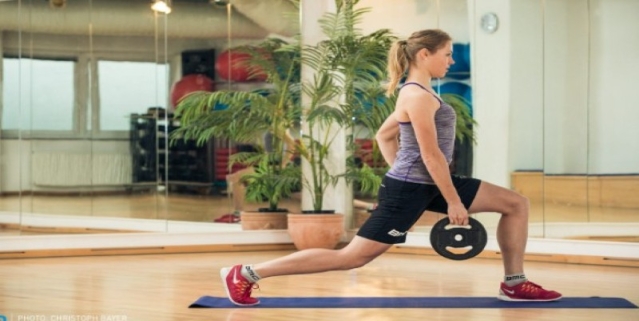
Squats are your best friend here. Bodyweight squats are fine for beginners, but once you can do them with ease, add resistance. Barbell back squats, front squats, and goblet squats train your quads, glutes, and hamstrings to push off hard with every stroke.
Lunges are another staple. They mimic the staggered leg movement in rowing and help improve balance and stability. You can try walking lunges, reverse lunges, or Bulgarian split squats for extra challenge.
Tip: Keep your squat and lunge form strict—knees tracking over toes, chest lifted—to protect your joints and transfer the strength gains directly into your rowing form.
Strengthening The Back
A powerful back lets you finish each stroke strong and keeps your shoulders from rounding forward.
Deadlifts are the cornerstone here. They target your erector spinae, lats, and traps while also engaging your core and glutes. Romanian deadlifts are great for hamstring flexibility and power, while conventional deadlifts build raw pulling strength.
Bent-over rows and seated cable rows mimic the rowing motion and improve your mid-back strength. Aim for controlled reps with a squeeze at the top to build endurance in those muscles.
Don’t overlook pull-ups or chin-ups. They improve grip strength and upper-back endurance—both crucial for longer sessions on the water or erg.
Core Stability For Every Stroke
Your core is the bridge between your legs and arms. If it’s weak, the power from your legs won’t fully transfer to your oar or handle.
Planks seem basic, but they are one of the most effective core builders for rowers. Side planks, in particular, target your obliques, which help stabilise your body through each stroke.
Russian twists and medicine ball throws are perfect for adding rotational power and control, especially when rowing in choppier waters.
Hanging leg raises also help, targeting the lower abs and hip flexors, which are active every time you recover forward in your stroke.
Arm And Grip Strength
While your legs and core do most of the work, your arms still play a role in finishing each stroke with precision.
Bicep curls may seem too simple, but they help maintain arm endurance for long races. Tricep pushdowns and dips keep your finish strong.
Grip strength can be trained with farmer's carries, towel pull-ups, or dead hangs from a bar. A firmer grip means less fatigue in your hands and forearms during long sessions.
Combining Strength And Rowing
Strength work should complement, not replace, your rowing sessions. A balanced training week might include two to three days of strength training and three to four days of rowing or cardio.
For example:
Monday: Strength training (legs and core focus)
Tuesday: Rowing intervals on water or erg
Wednesday: Strength training (back and arms focus)
Thursday: Steady-state rowing
Friday: Active recovery or mobility work
Saturday: Long rowing session
Sunday: Rest
The Role Of Explosive Power
Rowing isn’t just about endurance—it’s about the ability to accelerate quickly. Explosive power helps in race starts and sprint finishes.
Box jumps are one of the best ways to train this. They mimic the quick, forceful push of your legs at the start of each stroke.
Kettlebell swings train your hips and posterior chain to snap into action, improving stroke drive. Medicine ball slams add upper-body explosiveness and coordination.
Keeping Your Body Durable
Strength without durability can lead to injuries. That’s why mobility and flexibility work are essential.
Dynamic stretches before training—like leg swings and arm circles—prepare your muscles for explosive movement. Static stretching after workouts helps maintain flexibility.
Foam rolling and mobility drills for the hips, shoulders, and thoracic spine keep your rowing form smooth and pain-free.
Nutrition For Strength And Endurance
Building strength for rowing isn’t just about the gym. Your muscles need the right fuel to grow and recover.

Protein-rich foods like chicken, fish, eggs, and legumes help repair muscle tissue. Carbohydrates are key for energy during long rows, while healthy fats from sources like nuts, seeds, and olive oil support overall health.
Hydration is equally essential—dehydration can quickly sap your power and focus.
Tracking Your Progress
One of the best motivators in training is seeing how far you’ve come. Keep a log of your strength sessions, noting weights, sets, and reps. Track your rowing times and distances to see how your improved strength translates to performance.
If you notice plateaus, switch up your exercises or increase intensity. Progress in rowing strength is often about small, consistent gains over time.
Putting It All Together
Strength for rowing isn’t built overnight. It’s a mix of leg power, back endurance, core stability, and arm precision, combined with smart rowing sessions and proper recovery.
The reward? A smoother, stronger stroke, better times, and more confidence on the water. Train with purpose, fuel your body well, and you’ll not only row faster—you’ll enjoy every stroke along the way, building lasting strength and resilience for seasons of rowing ahead.