

How To Choose The Right Running Shoes For Sports
September 3, 2026
Have you ever started running only to feel an ache in your feet or knees a few minutes in? The culprit might not be your training routine—it could be your shoes. The right pair of running shoes can make a huge difference in comfort, performance, and injury prevention. But with so many brands, models, and features out there, how do you pick the right one for your needs? Let’s break it down so you can find a pair that truly works for your sport and running style.
Know Your Running Style
The first step in choosing the right shoes is understanding how your feet move when you run. This is known as your gait. Some runners have a neutral stride, while others overpronate (feet roll inward) or underpronate (feet roll outward).
Sports stores often offer gait analysis—sometimes for free—using treadmills and cameras to capture your stride. Knowing your gait helps you select a shoe with the proper support and cushioning.
Understand The Types Of Running Shoes
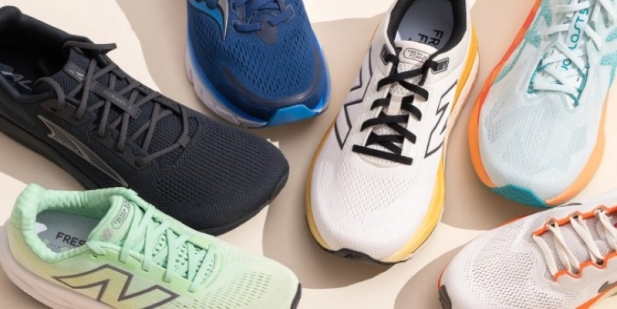
Running shoes aren’t all built the same. Different sports and running goals require different designs.
Road Running Shoes
These are made for running on pavement, track, and a treadmill. They focus on cushioning, flexibility, and lightweight construction.
Trail Running Shoes
Trail shoes are tougher. They feature aggressive tread patterns for grip, protective toe caps, and stiffer soles for uneven surfaces.
Racing Flats And Lightweight Trainers
If speed is your goal, these shoes offer minimal weight and a responsive feel. They're ideal for short races or speed workouts, but not always suitable for long-distance training.
Cross-Training Shoes
If your running is combined with gym workouts or agility drills, cross-training shoes offer a balance of stability and support for varied movements.
Consider Cushioning And Support
Cushioning isn’t just about comfort—it’s about shock absorption and energy return.
Maximum Cushioning: Ideal for long-distance runners seeking plush comfort with every step.
Moderate Cushioning: Good for a balance of responsiveness and comfort.
Minimal Cushioning: Appeals to runners who prefer a natural ground feel and lighter shoes.
Support is equally important. Stability shoes help guide the foot for mild overpronation, while motion-control shoes are built for more significant inward rolling. Neutral shoes are designed for runners whose stride doesn’t need correction.
Think About The Sport You Play
Different sports put different demands on your running shoes.
Track Runners: Need lightweight shoes with a firm, responsive sole for sprinting and speed.
Distance Runners: Benefit from cushioned shoes designed to handle repetitive impact.
Soccer or field athletes require shoes with traction and stability for quick directional changes—sometimes cleats are better than running shoes for match play.
Court Sports: Tennis, basketball, and volleyball call for lateral stability, so running shoes may not provide enough support.
Match The Shoe To Your Foot Shape
Feet vary in arch height—low, medium, or high—and this affects your shoe choice.
If you're not sure about your arch type, try the "wet test." Wet your foot, step on a piece of paper, and check the imprint.
Flat Arch: You may need shoes with more stability or motion control.
High Arch: Often benefits from cushioned shoes for better shock absorption.
Normal Arch: Can usually wear a variety of neutral or stability shoes.
Weight And Breathability Matter
Lightweight shoes reduce fatigue, especially during long runs or fast intervals. Breathable materials help keep your feet cool and dry, preventing blisters. Mesh uppers are standard in modern designs and work well for most climates, but if you run in cold or wet weather, water-resistant uppers might be worth considering.
Try Before You Buy
Always test running shoes before committing. Wear your typical running socks and try running on a store’s treadmill or designated track if available. Pay attention to how the shoe feels around your heel, midfoot, and toes. There should be enough space—about a thumb’s width—between your longest toe and the end of the shoe.
Don’t Ignore Durability

Running shoes don’t last forever. Most need replacing every 300–500 miles. Trail shoes might wear out sooner if used on rough terrain. Signs that it’s time for a new pair include worn treads, flattened cushioning, and new aches during runs.
Common Mistakes To Avoid
1.Choosing by Brand Alone: A brand you’ve always worn might not make the best model for your current needs.
2.Buying Too Small: Feet swell during runs; shoes that fit snug in the store may feel tight mid-run.
3.Using One Pair for Everything: Mixing sports with the wrong shoe type can shorten shoe life and increase injury risk.
4.Ignoring Comfort for Style: Colour and design matter less than fit and performance.
When To Consider Specialist Shoes
If you have ongoing pain or a history of injuries, custom orthotics or specialist shoes designed for your foot shape might be worth the investment. Sports podiatrists can guide you through options that work best for your running goals.
Caring For Your Running Shoes
Proper care extends shoe life:
Air them out after each run.
Remove insoles to dry.
Clean with mild soap and water instead of machine washing, which can damage the structure.
Rotate between two pairs to give each time to recover between runs.
Breaking In New Shoes
New shoes need a short adjustment period. Start by wearing them for shorter runs or mixing them with your old pair for a week or two. This helps your feet adapt to the new cushioning and prevents blisters or soreness during longer workouts.
Finding Your Perfect Fit
The best running shoe for sports isn’t just about performance—it’s about protecting your body from injury and making your runs enjoyable. By understanding your gait, the demands of your sport, and the features that suit your foot type, you can choose a pair that works as hard as you do. Whether you’re sprinting on a track, training for a marathon, or mixing runs with other sports, the right shoes will keep you moving comfortably and confidently.