

The 6 Best Stretches to Do After Every Single Workout
August 29, 2026
You crushed your session — heart pounding, sweat dripping, muscles burning. But if you skip stretching afterwards, you're cutting your recovery short and leaving gains on the table. Post-workout stretches are your secret weapon for faster recovery, better mobility, and fewer injuries.
If your goal is to stay lean, flexible, and pain-free so you can keep training harder, here are six must-do stretches you should include after every workout. These are gym freak-approved moves that help your muscles recover faster and make your next lift or HIIT session feel smoother.
1. Standing Quad Stretch
If you’ve ever felt tightness in the front of your thighs after leg day or cardio, this stretch is a must. It loosens the quadriceps, improves knee mobility, and helps relieve post-squat stiffness.
How to do it:
- Stand tall and grab your right ankle behind you.
- Keep your knees close together.
- Pull your ankle toward your glutes until you feel a stretch in the front of your thigh.
- Hold for 20–30 seconds per leg.
Key benefits:
- Reduces soreness after squats, lunges, or cycling.
- Enhances hip flexibility and posture.
Pro tip: Do this stretch near a wall or squat rack for balance if your legs are shaking after a heavy workout.
Recommended gear: If you train at home, use a ProsourceFit Yoga Mat or Gaiam Essentials Thick Mat to protect your knees when switching sides.
2. Seated Hamstring Stretch
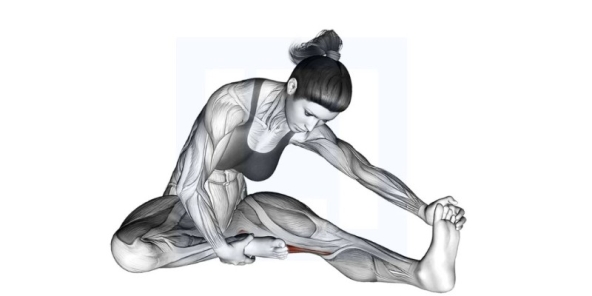
Hamstrings are notorious for tightening up, especially if you lift heavy or sit at a desk most of the day. Tight hamstrings can limit your range of motion during deadlifts and squats, reducing performance and increasing injury risk.
How to do it:
- Sit on the floor with one leg extended and the other bent inward.
- Reach toward your toes with a straight spine.
- Hold for 20–30 seconds, then switch legs.
Key benefits:
- This exercise increases flexibility in the hamstrings and lower back.
- Prevents lower back strain during big lifts.
Pro tip: Don’t force it — a gentle stretch works better than bouncing forward. Use a stretching strap like the OPTPS Stretch Out Strap to go deeper without rounding your back.
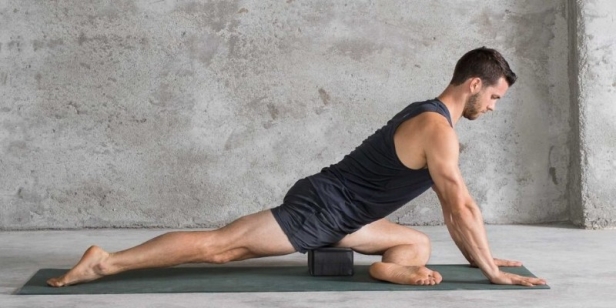
3. Pigeon Pose (Hip Opener)
This one is gold for anyone who squats, runs, or does HIIT regularly. It opens tight hips, releases tension from sitting, and can even relieve lower back pain.
How to do it:
- Start in a plank position.
- Bring your right knee forward and place it near your right wrist.
- Extend your left leg straight behind you.
- Lower your chest forward over your bent leg.
- Hold for 30–45 seconds on each side.
Key benefits:
- Improves hip mobility and posture.
- Relieves glute and lower back tension.
Pro tip: If your hips are tight, place a Yoga block like the Manduka Cork Block under your glute for support. Over time, work toward lowering your body closer to the floor.
4. Chest Opener Stretch
Your upper body needs recovery love, too. Tight chest muscles can pull your shoulders forward, making your posture suffer — especially after pressing movements like bench press or push-ups.
How to do it:
- Stand tall, clasp your hands behind your back, and straighten your arms.
- Lift your arms slightly while pushing your chest forward.
- Hold for 20–30 seconds.
Key benefits:
- Reverses rounded shoulders from lifting or desk work.
- Expands your chest and helps improve Breathing.
Pro tip: Try doing this against a doorway — place one forearm on the frame and gently turn your body away from the wall for a deeper stretch.
Recommended tool: The TriggerPoint Grid Foam Roller helps loosen up the chest and shoulder area before stretching to improve mobility.
5. Cat-Cow Stretch
If you’re lifting heavy or doing intense HIIT, your spine takes a beating. This stretch helps reset your posture and keeps your lower back healthy. It’s perfect after deadlifts, squats, or back workouts.
How to do it:
- Get on all fours with your wrists under your shoulders and knees under your hips.
- Inhale and arch your back (cow), lifting your chest and tailbone.
- Exhale and round your spine (cat), drawing your chin to your chest.
- Flow slowly for 5–10 breaths.
Key benefits:
- Promotes spinal flexibility and mobility.
- Eases lower back stiffness and tension.
Pro tip: This move doubles as an active recovery flow — do it between sets or right before your post-workout cool-down to reset your posture.
6. Child’s Pose Stretch
This classic Yoga pose relaxes your entire body. It stretches the spine, shoulders, and hips — perfect after lifting, sprinting, or core training.
How to do it:
- Kneel on the floor and sit back on your heels.
- Extend your arms forward and lower your forehead to the mat.
- Relax your body and breathe deeply for 30 to 60 seconds.
Key benefits:
- Reduces Stress and muscle fatigue.
- Helps lower your heart rate post-workout.
- This exercise loosens the hips, shoulders, and back.
Pro tip: To add intensity, spread your knees wider and walk your fingers forward to feel a deeper stretch through your sides.
Recommended mat: The Lululemon Reversible Yoga Mat 5mm or BalanceFrom GoYoga Mat offers grip and cushioning for extended holds.
Stretching Routine You Can Use Right Now
Here’s a quick 10-minute cool-down routine that combines all six stretches into a sequence that targets your entire body.
Post-Workout Stretch Flow (10 Minutes)
- Standing Quad Stretch – 30 seconds per leg
- Seated Hamstring Stretch – 30 seconds per leg
- Pigeon Pose – 45 seconds per side
- Chest Opener – 30 seconds
- Cat-Cow – 10 slow reps
- Child’s Pose – 1 minute hold
Follow this sequence after every workout — strength, cardio, or HIIT — and you’ll notice improved flexibility, less soreness, and smoother movements during your next session.
If you train daily, do this after each workout or as a standalone recovery session twice a week.
Why Stretching Boosts Your Performance?
Stretching isn’t just about flexibility — it’s performance insurance. When you recover better, you lift better. Tight muscles limit range of motion, which can hold back your strength and form. Loose, mobile muscles perform more efficiently, helping you hit deeper squats, cleaner presses, and better lifts overall.
Plus, recovery days are where you grow. Stretching boosts blood flow and helps flush out lactic acid, cutting down soreness and keeping your training frequency high — crucial for anyone chasing consistent gains.
Final Take: Stretch Like You Mean It
Stretching is the final step that amplifies your workout results. It keeps muscles flexible, joints mobile, and lowers injury risk. Do these six stretches after each session and stay consistent. Within weeks, you’ll feel less sore, move better, and perform stronger. Recovery isn’t optional — it’s what keeps you progressing while others fall behind.